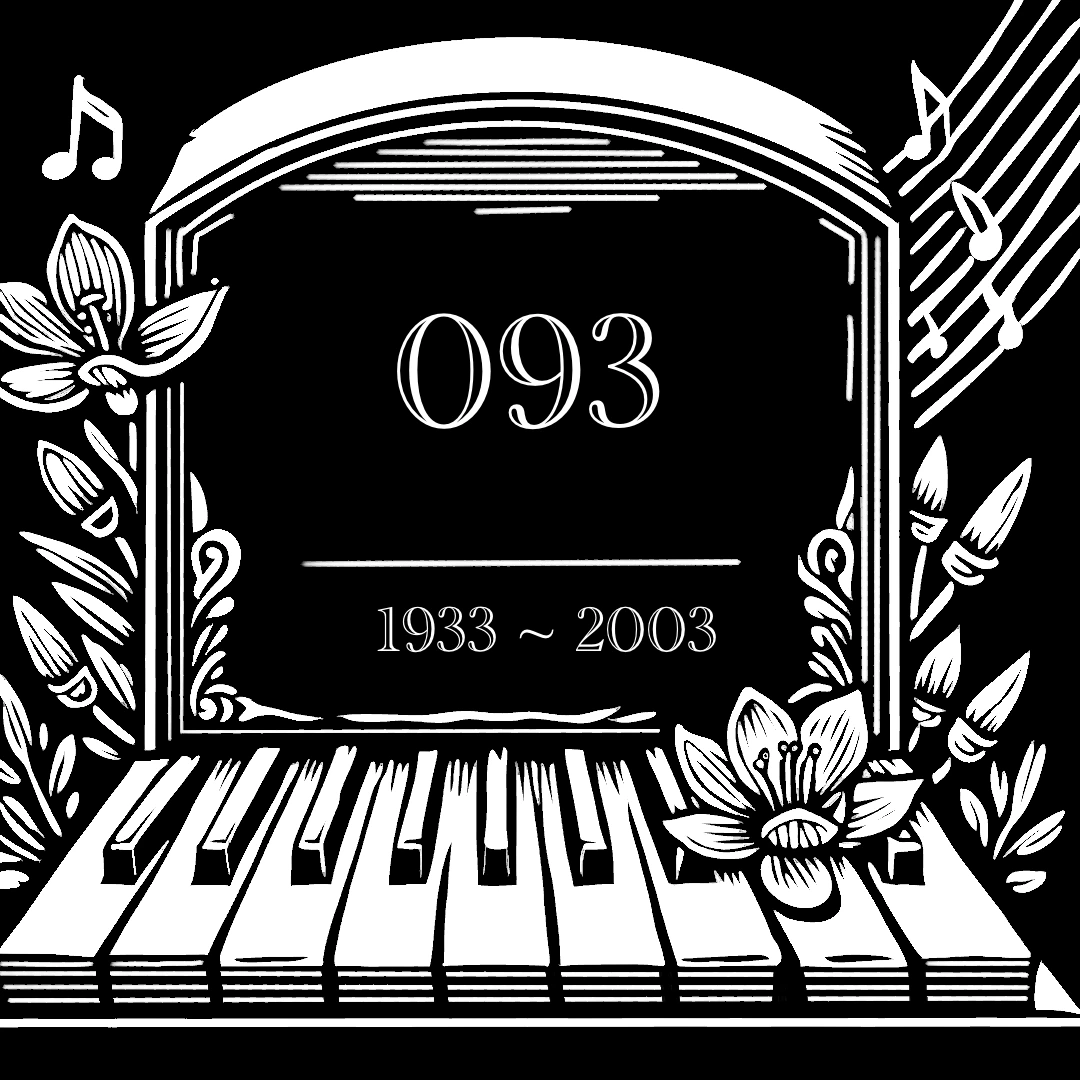
Growing up in a small town in North Carolina in the 1930s, this individual showed exceptional musical (1) from childhood, sitting at the piano at the age of three. Their community raised money to fund their music (2) in New York, and their ambition was to become a classical concert pianist.
A rejection from a prestigious (3), widely believed to have been racially motivated, redirected their path entirely. They began playing in bars and clubs to earn a living, changing their name to (4) the work from their mother. The new name they chose became one of the most distinctive in 20th century music.
They developed a style unlike anyone else's, blending classical (5) with jazz, blues and folk. Their voice was deep, rich and emotionally direct in a way that was immediately (6). By the late 1950s they were a significant recording artist, but it was the civil rights movement that gave their music its sharpest (7).
They wrote and performed songs that became (8) of the struggle for racial justice, and were closely connected to some of the movement's most important figures. Their refusal to separate art from politics made them a powerful and sometimes uncomfortable presence.
They left the United States in the 1970s, living at various times in Africa and Europe. Their performances were (9) and unpredictable, and they demanded absolute silence from their audiences. They spent their final years in a village in the south of France, and died there in 2003 at the age of 70. Their music, which had always defied easy (10), continues to find new listeners with every generation.
Now check your answers:
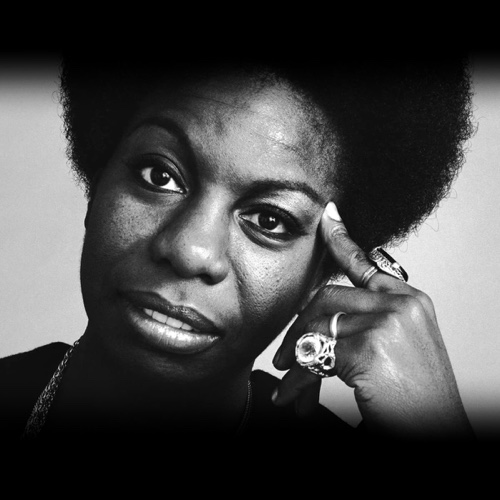
Who is this baiography about?
If you don't know their identity, click:
▶ Click to show the transcript and the correct answers.
Growing up in a small town in North Carolina in the 1930s, this individual showed exceptional musical (1) ability from childhood, sitting at the piano at the age of three. Their community raised money to fund their music (2) education in New York, and their ambition was to become a classical concert pianist.
A rejection from a prestigious (3) conservatory, widely believed to have been racially motivated, redirected their path entirely. They began playing in bars and clubs to earn a living, changing their name to (4) conceal the work from their mother. The new name they chose became one of the most distinctive in 20th century music.
They developed a style unlike anyone else's, blending classical (5) technique with jazz, blues and folk. Their voice was deep, rich and emotionally direct in a way that was immediately (6) recognisable. By the late 1950s they were a significant recording artist, but it was the civil rights movement that gave their music its sharpest (7) purpose.
They wrote and performed songs that became (8) anthems of the struggle for racial justice, and were closely connected to some of the movement's most important figures. Their refusal to separate art from politics made them a powerful and sometimes uncomfortable presence.
They left the United States in the 1970s, living at various times in Africa and Europe. Their performances were (9) intense and unpredictable, and they demanded absolute silence from their audiences. They spent their final years in a village in the south of France, and died there in 2003 at the age of 70. Their music, which had always defied easy (10) categorisation, continues to find new listeners with every generation.
▶ Click to show questions for discussion.
This individual's rejection from a conservatory, widely believed to be racially motivated, changed the entire direction of their life. Do you think obstacles and setbacks sometimes lead people toward a greater destiny than the one they originally planned?
They changed their name to conceal their work from their mother. Do you think artists who adopt stage names are creating a persona or hiding a part of themselves?
Their music blended classical technique with jazz, blues and folk in a way that defied easy categorisation. Do you think music that crosses genres is more or less likely to find a wide audience?
They refused to separate their art from politics. Do you think artists have a responsibility to use their platform to speak about injustice?
They demanded absolute silence from their audiences. Do you think the relationship between a performer and their audience says something important about the kind of artist they are?