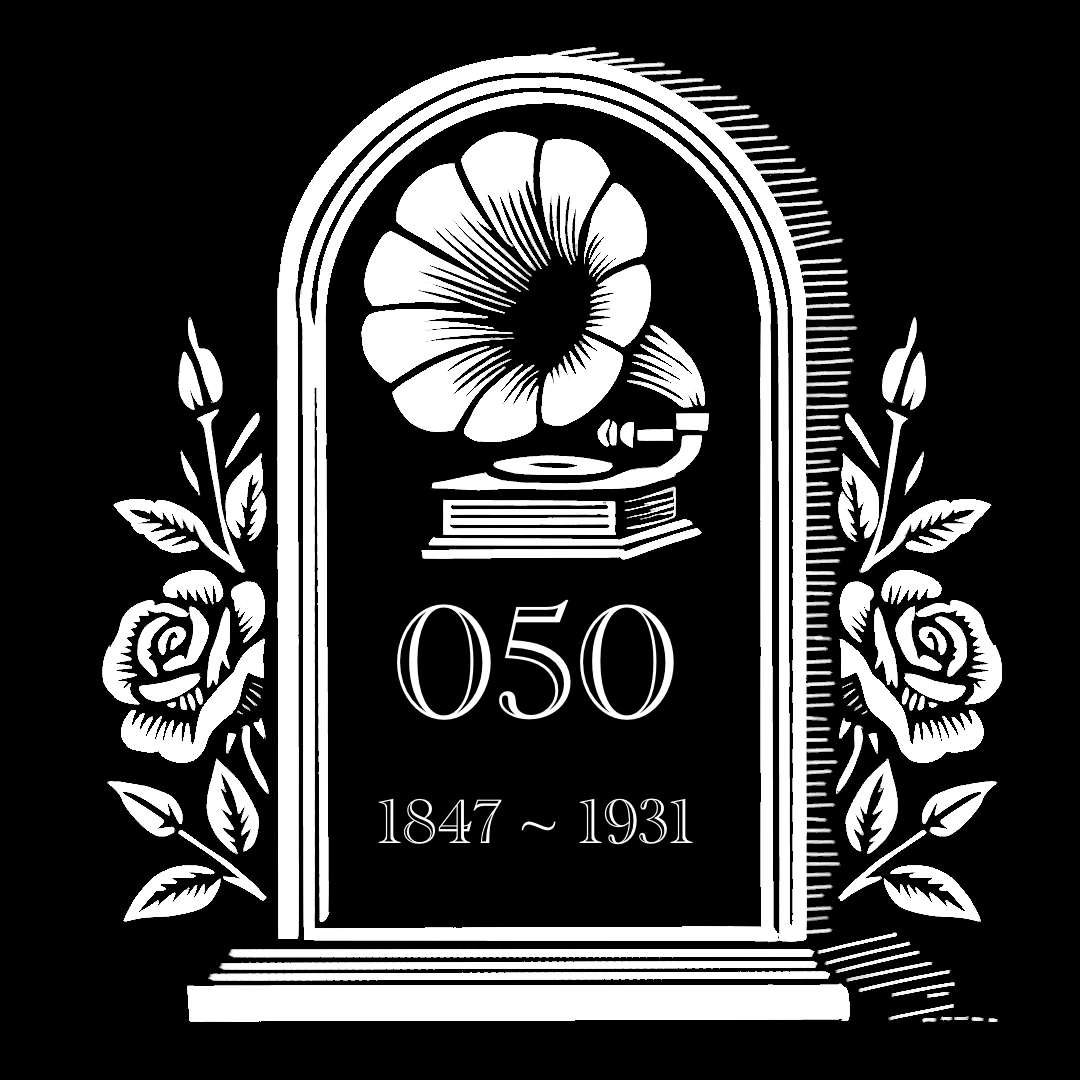
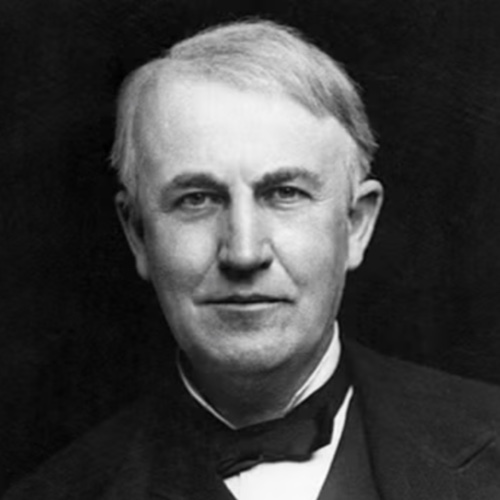
Few inventors have shaped everyday life as (1) as this one. Born in Ohio in 1847, this individual had almost no formal schooling, being largely educated at home by their mother after a teacher described them as too (2) to teach. They worked as a telegraph operator in their teens, and it was the telegraph that first sparked their interest in the possibilities of electrical (3).
By their late twenties they had established a research (4) in New Jersey that became the model for every corporate research facility that followed. They employed teams of scientists and engineers, worked them relentlessly and held the patents on everything they produced. The phonograph, which recorded and replayed sound for the first time, came out of that laboratory in 1877. The practical electric light bulb followed in 1879, along with the electrical (5) systems needed to power it.
Their approach to invention was (6) rather than inspirational. They famously described genius as one percent inspiration and ninety-nine percent perspiration, and their notebooks bear that out, filled with thousands of failed experiments on the way to each success. They held over a (7) patents, more than any individual in history at the time.
Their later career was marked by a bitter (8) with a former employee over the future of electrical power, a dispute they ultimately (9), though their contribution to the age of electricity was no less significant for it.
They died in 1931 at the age of 84. The two things that had defined their career, recorded sound and electric (10), had by then transformed daily life in ways that most people alive at their birth could never have imagined.
Now check your answers:
Who is this baiography about?
If you don't know their identity, click:
▶ Click to show the transcript and the correct answers.
Few inventors have shaped everyday life as (1) directly as this one. Born in Ohio in 1847, this individual had almost no formal schooling, being largely educated at home by their mother after a teacher described them as too (2) difficult to teach. They worked as a telegraph operator in their teens, and it was the telegraph that first sparked their interest in the possibilities of electrical (3) technology.
By their late twenties they had established a research (4) laboratory in New Jersey that became the model for every corporate research facility that followed. They employed teams of scientists and engineers, worked them relentlessly and held the patents on everything they produced. The phonograph, which recorded and replayed sound for the first time, came out of that laboratory in 1877. The practical electric light bulb followed in 1879, along with the electrical (5) distribution systems needed to power it.
Their approach to invention was (6) systematic rather than inspirational. They famously described genius as one percent inspiration and ninety-nine percent perspiration, and their notebooks bear that out, filled with thousands of failed experiments on the way to each success. They held over a (7) thousand patents, more than any individual in history at the time.
Their later career was marked by a bitter (8) rivalry with a former employee over the future of electrical power, a dispute they ultimately (9) lost, though their contribution to the age of electricity was no less significant for it.
They died in 1931 at the age of 84. The two things that had defined their career, recorded sound and electric (10) light, had by then transformed daily life in ways that most people alive at their birth could never have imagined.
▶ Click to show questions for discussion.
This individual was described as too difficult to teach at school, yet became one of the greatest inventors in history. Do you think the education system is good at identifying and nurturing exceptional talent?
They famously described genius as one percent inspiration and ninety-nine percent perspiration. Do you agree with this view of creativity and achievement?
They established a research laboratory that employed teams of scientists working together. Do you think collaborative invention is more or less effective than individual genius?
Their later career was marked by a bitter rivalry with a former employee. Do you think competition between individuals drives innovation, or does it get in the way?
They held over a thousand patents. Do you think the patent system encourages or stifles innovation in the modern world?