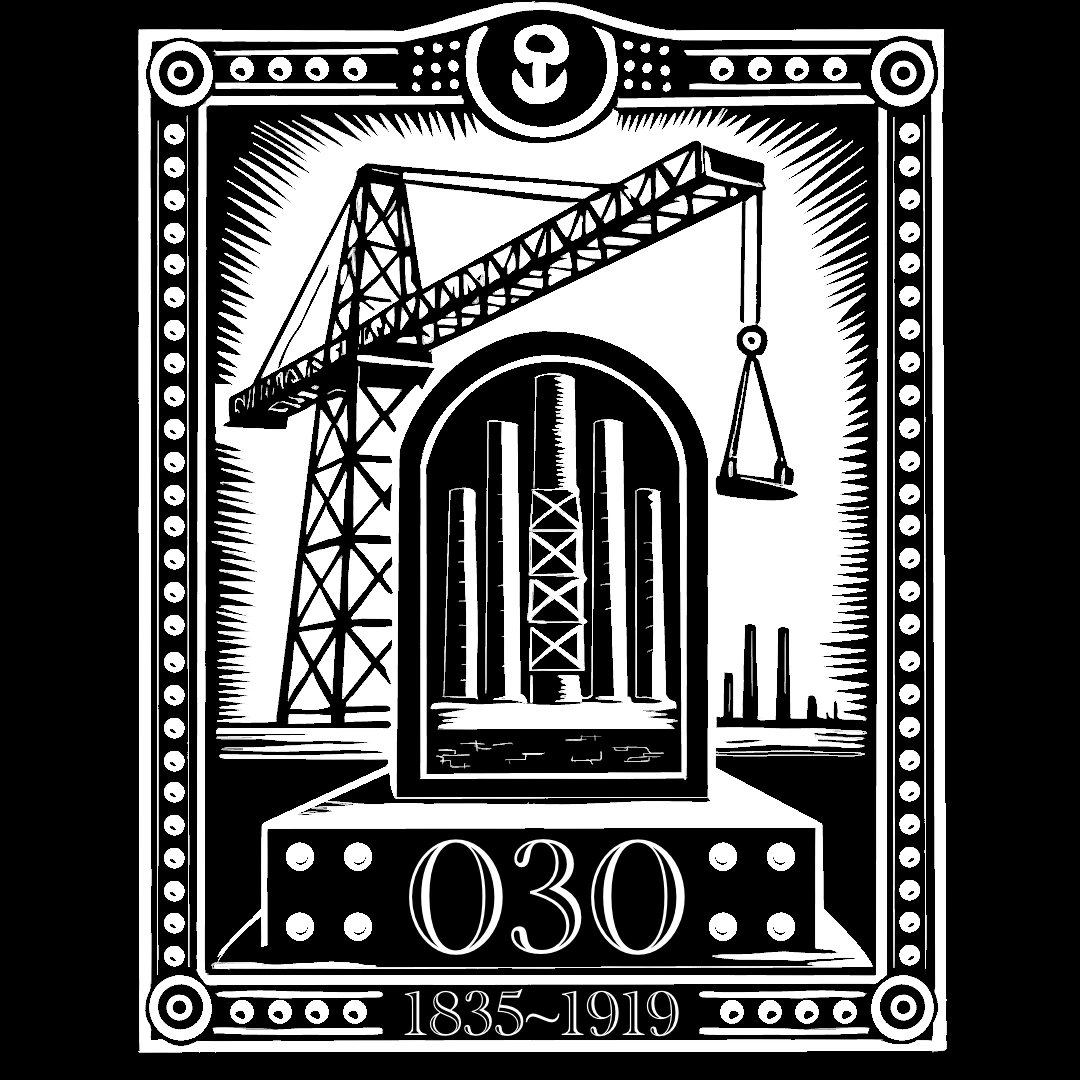
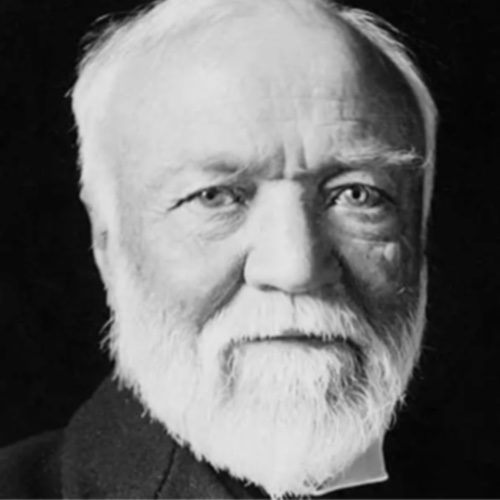
Born in Dunfermline, Scotland in 1835, this individual (1) to the United States as a child with their family, arriving in Pennsylvania with almost nothing. Their first job was as a factory worker, earning one dollar and twenty cents a week. By the time they were in their fifties they were one of the (2) people on earth.
The journey between those two points ran through the telegraph industry, the railways and finally (3). They built their steel company into the dominant force in American industry, embracing new technology and cutting costs with a (4) that made them enemies as well as a fortune. When they sold the company in 1901 it was for the equivalent of several hundred billion dollars in today's (5).
What happened next was almost as remarkable as how they had made the money. They spent the rest of their life giving it away, funding over 2,500 public (6) across the English speaking world, as well as universities, concert halls, research institutions and (7) funds for former workers. Their philosophy, set out in an essay called The Gospel of Wealth, argued that rich people had a moral (8) to distribute their surplus wealth for the public good during their own lifetime rather than leaving it to their (9).
They died in 1919, having given away the vast (10) of their fortune. The libraries they built are still in use today, and their name remains synonymous with both industrial ambition and public generosity.
Now check your answers:
Who is this baiography about?
If you don't know their identity, click:
▶ Click to show the transcript and the correct answers.
Born in Dunfermline, Scotland in 1835, this individual (1) emigrated to the United States as a child with their family, arriving in Pennsylvania with almost nothing. Their first job was as a factory worker, earning one dollar and twenty cents a week. By the time they were in their fifties they were one of the (2) richest people on earth.
The journey between those two points ran through the telegraph industry, the railways and finally (3) steel. They built their steel company into the dominant force in American industry, embracing new technology and cutting costs with a (4) ruthlessness that made them enemies as well as a fortune. When they sold the company in 1901 it was for the equivalent of several hundred billion dollars in today's (5) money.
What happened next was almost as remarkable as how they had made the money. They spent the rest of their life giving it away, funding over 2,500 public (6) libraries across the English speaking world, as well as universities, concert halls, research institutions and (7) pension funds for former workers. Their philosophy, set out in an essay called The Gospel of Wealth, argued that rich people had a moral (8) duty to distribute their surplus wealth for the public good during their own lifetime rather than leaving it to their (9) children.
They died in 1919, having given away the vast (10) majority of their fortune. The libraries they built are still in use today, and their name remains synonymous with both industrial ambition and public generosity.
▶ Click to show questions for discussion.
This individual started as a factory worker earning barely anything and died as one of the world's greatest philanthropists. Do you think stories like theirs are still possible today?
They argued that wealthy people have a moral duty to give away their surplus wealth during their lifetime. Do you agree with this philosophy?
They funded over 2,500 public libraries around the world. Do you think public libraries are still as important today as they were in the 19th century?
Their business methods were described as ruthless. Do you think it is possible to build great wealth without causing harm to others?
They chose to give their money to libraries, universities and concert halls rather than leaving it to their children. Do you think inherited wealth is a good or a bad thing for society?