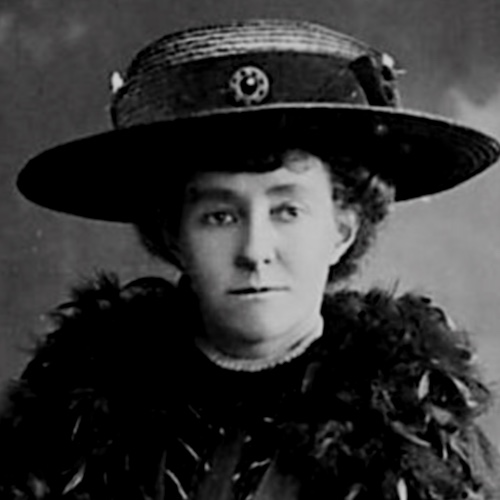
On the 4th of June 1913, a woman stepped onto the track at one of Britain's most famous horse races and was struck by the King's horse at full (1). She died four days later and became one of the most famous figures in the history of women's (2).
Born in 1872, this individual had been one of the most committed and (3) members of the women's suffrage movement in Britain, at a time when women had no right to vote and those who campaigned for it faced imprisonment, force feeding and public (4). They had been arrested nine times, gone on hunger strike seven times and been force fed, a painful and (5) procedure in which liquid food was administered through a tube, on forty nine separate occasions.
Their (6) on that day at the racecourse have never been fully established. Some believe they intended to die as a (7) for the cause. Others point to the fact that they had a return train ticket in their pocket, suggesting they planned to (8). Whatever the truth, the collision with the horse caused injuries from which they never recovered.
Their funeral (9) through London was attended by thousands of suffragettes marching in formation, turning a death into a demonstration. The image of women marching in silence through the capital made headlines around the world.
Women in Britain were granted the right to vote five years later, in 1918, though only those over thirty. Full equal (10) rights came ten years after that.
Now check your answers:
Who is this baiography about?
If you don't know their identity, click:
▶ Click to show the transcript and the correct answers.
On the 4th of June 1913, a woman stepped onto the track at one of Britain's most famous horse races and was struck by the King's horse at full (1) gallop. She died four days later and became one of the most famous figures in the history of women's (2) rights.
Born in 1872, this individual had been one of the most committed and (3) radical members of the women's suffrage movement in Britain, at a time when women had no right to vote and those who campaigned for it faced imprisonment, force feeding and public (4) ridicule. They had been arrested nine times, gone on hunger strike seven times and been force fed, a painful and (5) degrading procedure in which liquid food was administered through a tube, on forty nine separate occasions.
Their (6) motivations on that day at the racecourse have never been fully established. Some believe they intended to die as a (7) martyr for the cause. Others point to the fact that they had a return train ticket in their pocket, suggesting they planned to (8) survive. Whatever the truth, the collision with the horse caused injuries from which they never recovered.
Their funeral (9) procession through London was attended by thousands of suffragettes marching in formation, turning a death into a demonstration. The image of women marching in silence through the capital made headlines around the world.
Women in Britain were granted the right to vote five years later, in 1918, though only those over thirty. Full equal (10) voting rights came ten years after that.
▶ Click to show questions for discussion.
This individual's motivations on the day of the race have never been fully established. Do you think it matters whether she intended to die, or is the impact of her actions more important than the intention?
She had been arrested nine times and force fed on forty nine occasions. Do you think there are causes today that would justify such extreme personal sacrifice?
Her funeral procession turned a death into a political demonstration. Do you think public funerals and memorials can be effective tools for social change?
Women in Britain only gained full equal voting rights in 1928, fifteen years after her death. Do you think the suffrage movement would have succeeded without individuals willing to take such extreme action?
Women in many countries still do not have full equal rights today. Do you think the methods used by the suffragettes would be effective or appropriate in a modern context?