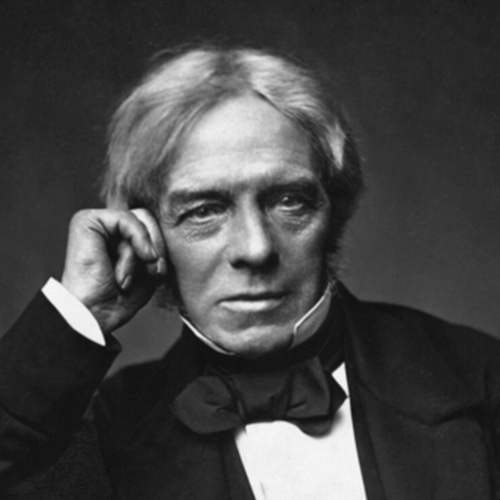
Some of the greatest scientists in history have come from wealthy, well-connected families with access to the best universities and laboratories. This individual came from none of that. Born in London in 1791, the son of a (1), they left school at thirteen and went to work as an errand boy for a bookbinder. It was there, reading the books they were paid to (2), that their education really began.
A chance (3) to a series of lectures by the leading chemist of the day changed everything. They took meticulous notes, bound them carefully and sent them to the lecturer with a letter asking for a job. It worked. They became a laboratory (4), and within a few years had surpassed their mentor entirely.
What followed was one of the most (5) careers in the history of science. They discovered that a moving magnet could generate an electric (6), a finding so fundamental that it underpins every power station and electric motor on the planet. They invented the electric motor itself, developed the laws of electrolysis and introduced the concept of the (7) field, an idea that would later form the foundation of modern physics.
They were offered a (8) and refused it, preferring to remain plain in their habits and titles. Every Friday evening for many years they gave free public (9) at the Royal Institution, explaining science to anyone who wanted to listen.
They died in 1867. A child who left school at thirteen had, without a university degree or wealthy (10), transformed the way the world understood electricity and magnetism.
Now check your answers:
Who is this baiography about?
If you don't know their identity, click:
▶ Click to show the transcript and the correct answers.
Some of the greatest scientists in history have come from wealthy, well-connected families with access to the best universities and laboratories. This individual came from none of that. Born in London in 1791, the son of a (1) blacksmith, they left school at thirteen and went to work as an errand boy for a bookbinder. It was there, reading the books they were paid to (2) bind, that their education really began.
A chance (3) ticket to a series of lectures by the leading chemist of the day changed everything. They took meticulous notes, bound them carefully and sent them to the lecturer with a letter asking for a job. It worked. They became a laboratory (4) assistant, and within a few years had surpassed their mentor entirely.
What followed was one of the most (5) productive careers in the history of science. They discovered that a moving magnet could generate an electric (6) current, a finding so fundamental that it underpins every power station and electric motor on the planet. They invented the electric motor itself, developed the laws of electrolysis and introduced the concept of the (7) electromagnetic field, an idea that would later form the foundation of modern physics.
They were offered a (8) knighthood and refused it, preferring to remain plain in their habits and titles. Every Friday evening for many years they gave free public (9) lectures at the Royal Institution, explaining science to anyone who wanted to listen.
They died in 1867. A child who left school at thirteen had, without a university degree or wealthy (10) patron, transformed the way the world understood electricity and magnetism.
▶ Click to show questions for discussion.
This individual left school at thirteen but educated themselves by reading. Do you think formal education is essential to achieving great things, or can self-teaching be just as effective?
They wrote a letter asking for a job after attending a lecture, and it worked. Do you think showing initiative in this way is still an effective approach today?
They refused a knighthood, preferring to remain plain in their habits and titles. Do you think it is important for scientists and public figures to accept or refuse such honours?
They gave free public lectures every Friday evening for many years. Do you think scientists have a responsibility to share their knowledge with the general public?
This individual came from a very poor background yet became one of the greatest scientists in history. Do you think social background still affects a person's chances of success in science today?