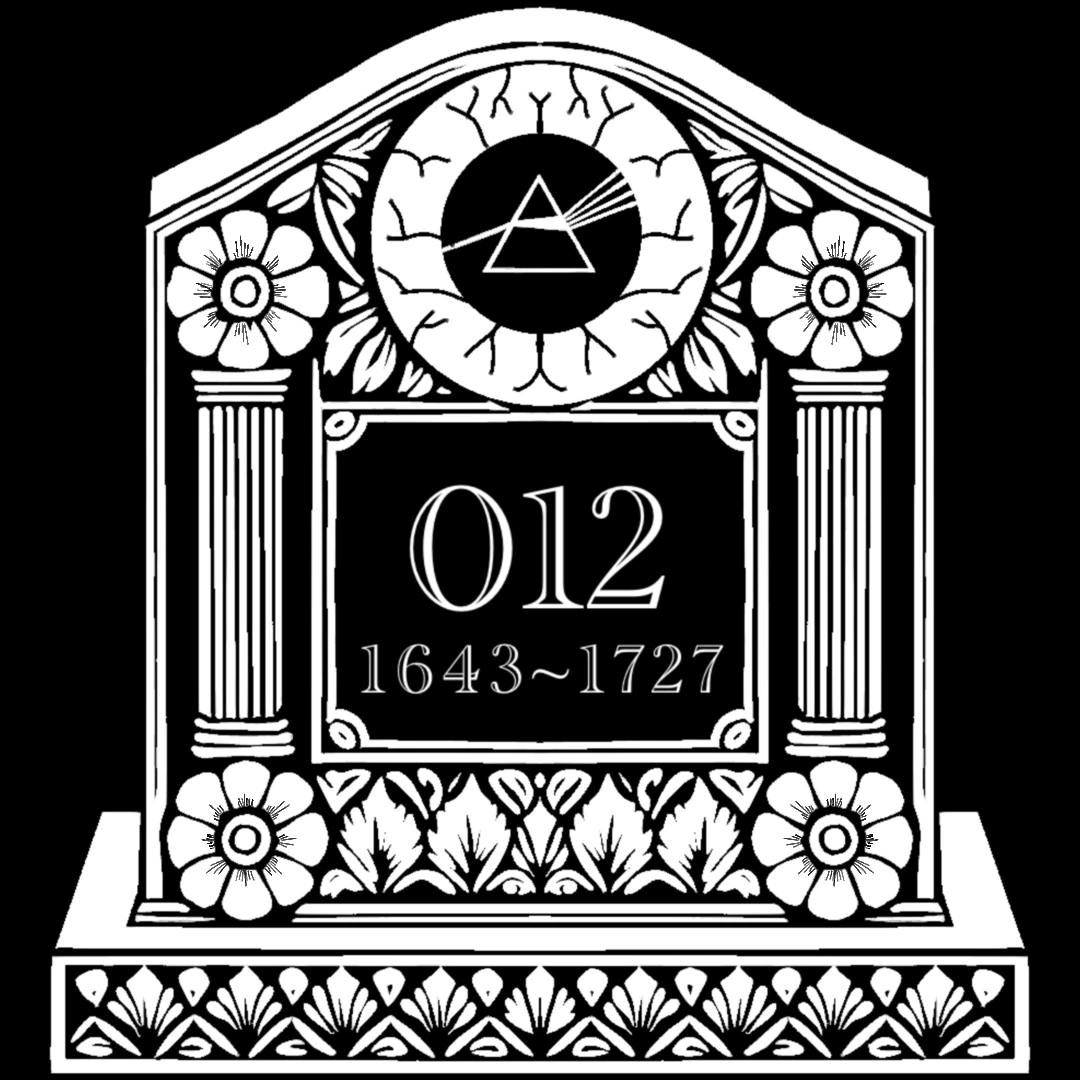
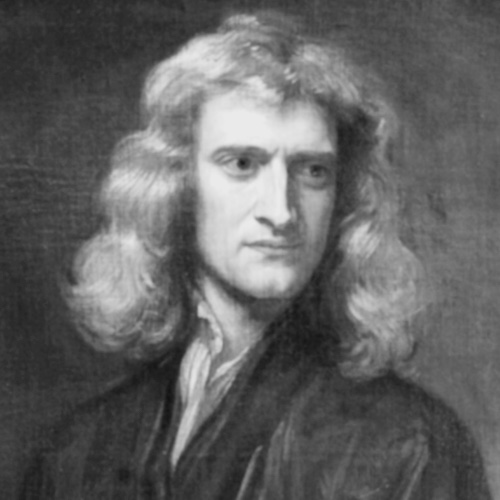
Born in Lincolnshire in 1643, this individual was a (1) premature baby who was not expected to survive. Their father had died before they were born, and when their mother remarried they were left behind with their grandmother, an experience they never entirely got (2).
They showed little obvious promise at school, but won a place at Cambridge University, where the (3) barely interested them. They read widely outside it, particularly in mathematics and natural philosophy, and when the university closed due to (4) in 1665 they returned home to the countryside and spent eighteen months thinking. During that period they developed the foundations of calculus, worked out the laws of motion and began to understand gravity as a (5) force governing everything from falling objects to orbiting planets.
It would be twenty years before they published their findings. When they finally did, the book (6) science permanently. Forces, mass, acceleration, the motion of the planets, the behaviour of the tides, all of it explained by a handful of (7) equations. No single scientific work before or since has covered so much (8).
Later in life they became Warden of the Royal Mint, prosecuting counterfeiters with a (9) that surprised people who knew them only as a mathematician. They were also deeply interested in alchemy and theology, subjects they pursued privately and at length.
They died in 1727 and were buried in Westminster Abbey, one of the few scientists ever to receive that (10).
Now check your answers:
Who is this baiography about?
If you don't know their identity, click:
▶ Click to show the transcript and the correct answers.
Born in Lincolnshire in 1643, this individual was a (1) sickly premature baby who was not expected to survive. Their father had died before they were born, and when their mother remarried they were left behind with their grandmother, an experience they never entirely got (2) over.
They showed little obvious promise at school, but won a place at Cambridge University, where the (3) curriculum barely interested them. They read widely outside it, particularly in mathematics and natural philosophy, and when the university closed due to (4) plague in 1665 they returned home to the countryside and spent eighteen months thinking. During that period they developed the foundations of calculus, worked out the laws of motion and began to understand gravity as a (5) universal force governing everything from falling objects to orbiting planets.
It would be twenty years before they published their findings. When they finally did, the book (6) transformed science permanently. Forces, mass, acceleration, the motion of the planets, the behaviour of the tides, all of it explained by a handful of (7) elegant equations. No single scientific work before or since has covered so much (8) ground.
Later in life they became Warden of the Royal Mint, prosecuting counterfeiters with a (9) zeal that surprised people who knew them only as a mathematician. They were also deeply interested in alchemy and theology, subjects they pursued privately and at length.
They died in 1727 and were buried in Westminster Abbey, one of the few scientists ever to receive that (10) honour.
▶ Click to show questions for discussion.
This individual showed little promise at school but went on to transform science. Do you think school is a good measure of a person's potential?
They did some of their most important thinking during a period of isolation caused by plague. Do you think periods of solitude and quiet can be productive? Have you ever had a similar experience?
They waited twenty years before publishing their findings. Do you think it is better to share ideas quickly or to take time to refine them first?
Later in life they pursued counterfeiters with great enthusiasm. Does it surprise you that a great scientist would take such an interest in law enforcement?
They were buried in Westminster Abbey, an honour usually reserved for royalty and heads of state. Do you think scientists deserve the same level of public recognition as political leaders?